
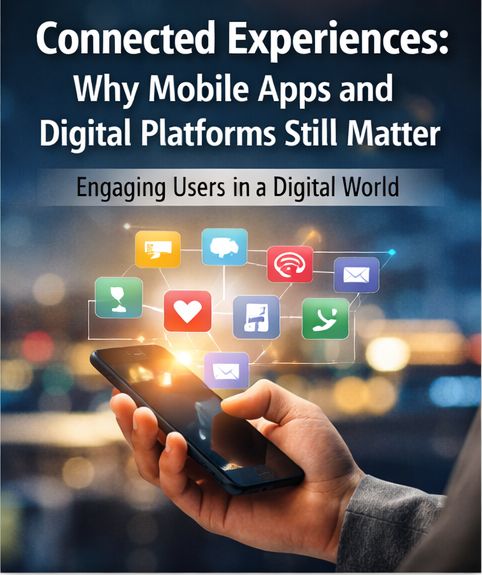
As businesses compete for attention in an increasingly digital world, accessibility has become a major advantage. People want information, services, media, and communication tools available instantly from the devices they use every day. That is why mobile apps and digital platforms continue to play such an important role in business growth and audience engagement.
A mobile app is not only a technical product. It is a direct channel between a brand and its users. When built correctly, an app can simplify access, increase loyalty, improve usability, and create a stronger sense of connection. Instead of asking customers to search, remember links, or repeat steps, an app places the experience directly in their hands.
This is especially valuable for organizations that depend on recurring interaction. Media brands, service businesses, communities, and specialized projects often benefit from giving users a more immediate and convenient way to connect. Whether the goal is listening to a stream, accessing content, receiving updates, or engaging with a service, digital convenience helps strengthen relevance.
The real strength of digital platforms lies in purposeful design. A successful app does not try to do everything at once. It focuses on the right functions for the intended audience. Clear navigation, lightweight performance, intuitive interfaces, and reliable access are often more important than adding excessive features. Simplicity, when paired with functionality, creates a better user experience.
Another major advantage is brand continuity. When a business has its own digital platform, it controls how people experience its content and services. Instead of depending entirely on third-party channels, the organization can offer a branded environment that reflects its identity and priorities. This improves recognition and creates more consistent communication over time.
Mobile and digital platforms also support long-term innovation. A company may begin with a focused app or web-based service, then later expand into notifications, account access, media integration, automation, or customer tools. The key is starting with a practical architecture that allows future development without sacrificing reliability.
For growing businesses and modern organizations, digital platforms are no longer optional luxuries. They are strategic tools. They help extend reach, improve usability, reinforce brand identity, and make engagement easier for the people who matter most. When technology is designed around real behavior and real needs, it becomes more than software. It becomes part of how a business grows.