
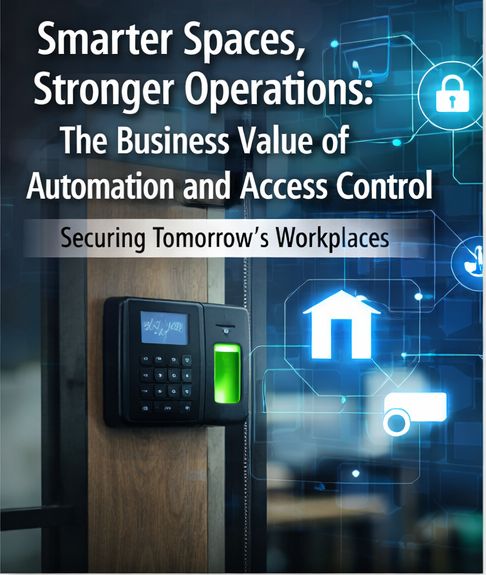
Technology is changing the way organizations manage physical spaces, daily operations, and user access. What once required manual processes, isolated systems, or constant oversight can now be handled through connected tools that improve control, visibility, and efficiency. That is the growing value of automation and access control in modern environments.
Automation is often associated with convenience, but its business value goes much deeper. It can help reduce repetitive tasks, improve consistency, centralize control, and create more predictable operations. Whether applied in a business environment, a private facility, or a connected property, automation gives organizations the ability to manage systems more intelligently.
Access control is a major part of that shift. Managing who can enter a space, when they can enter, and how that access is monitored is essential for both efficiency and protection. Traditional approaches can create administrative overhead, limited traceability, and unnecessary friction. Modern digital access systems help organizations move toward more controlled, flexible, and manageable environments.
The best connected systems are designed around practical use. Technology should not create confusion. It should simplify routines, improve oversight, and make operations easier to manage. That may include remote access tools, centralized management, event monitoring, user permissions, or smart controls that reduce reliance on manual intervention.
Another important factor is integration. Smart systems become more valuable when they are not treated as isolated tools. When automation, access control, and digital oversight are designed to work together, organizations gain a more complete operational picture. That leads to better decisions, stronger accountability, and smoother day-to-day execution.
Reliability also matters. Connected systems must be stable, understandable, and aligned with how people actually use them. A good solution is not defined by complexity, but by usefulness. The right technology is the one that performs consistently and supports real needs without unnecessary friction.
For businesses and organizations planning ahead, automation is not simply about modernizing for appearance. It is about building smarter operational environments. It helps reduce inefficiency, improve control, and create systems that are more responsive to changing demands. In a world where both digital and physical operations increasingly overlap, smart infrastructure becomes a competitive advantage.
This perspective matches MkITSol’s visible association with Domotk and JDB2, both publicly tied to home automation and access control.